
5 Powerful Building Blocks Benefits for Child Development
Building Blocks Benefits go far beyond simple play. They support children's development by enhancing fine motor skills, improving problem-solving abilities, fostering creativity, and strengthening spatial awareness. Whether used at home or in educational settings, building blocks are a fun and effective way to help kids learn through hands-on exploration and imaginative construction.
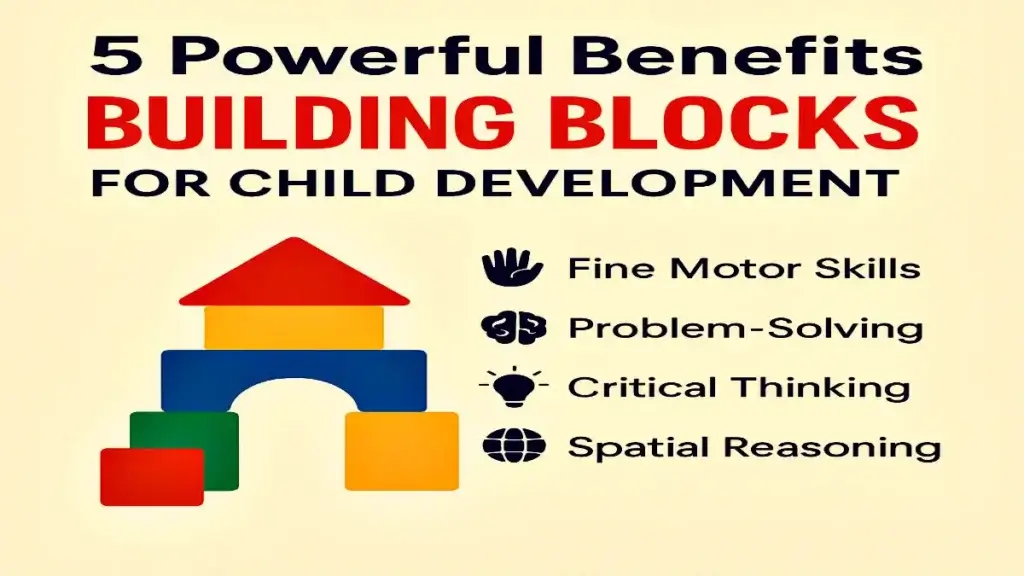
Top 5 Building Blocks Benefits for Growing Minds.
Building blocks are more than just fun — they're powerful learning tools. Playing with blocks promotes essential developmental skills from toddlerhood through the early school years. Below, we summarize how blocks help foster specific abilities and highlight curated sets to support each skill.
Block play encourages kids to experiment and overcome obstacles. Whether they're figuring out how to build a tall tower that won't fall or designing a bridge that spans two books, children learn persistence and creative strategies through trial and error. Recommended block sets for Problem-Solving:


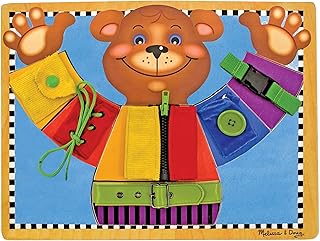

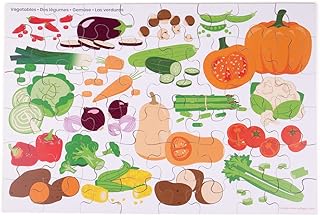


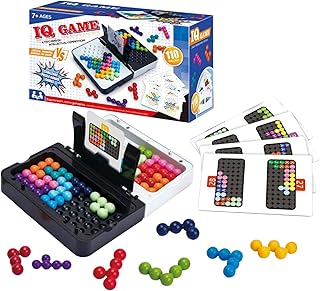


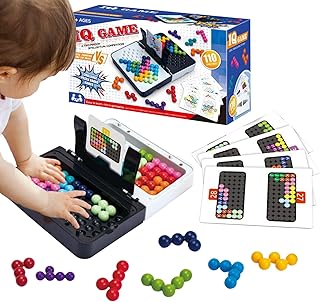
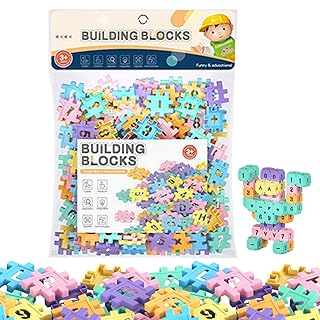


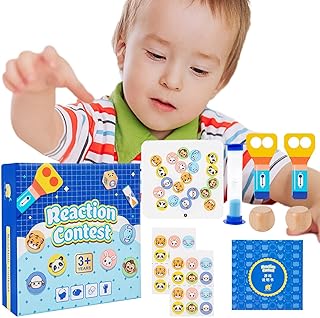


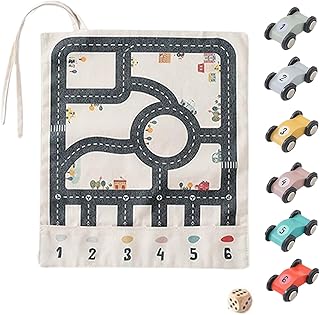


This site contains affiliate links. We may earn a small commission at no extra cost to you, which helps us keep sharing fun and educational toys!
Manipulating small blocks helps children strengthen the tiny muscles in their hands and fingers. Stacking, grasping, and connecting blocks improve hand-eye coordination and dexterity, which are key for writing, buttoning clothes, and using utensils. Recommended block sets for Fine Motor Skills:


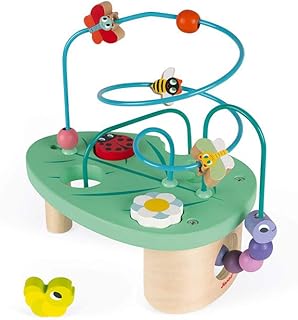


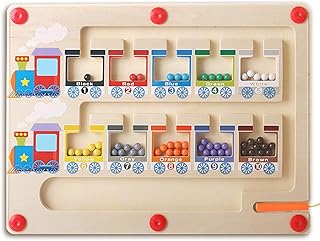


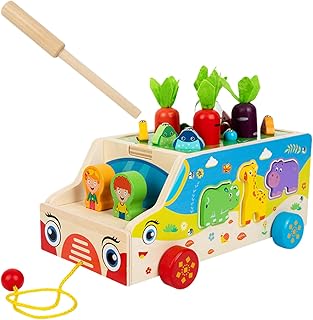


This site contains affiliate links. We may earn a small commission at no extra cost to you, which helps us keep sharing fun and educational toys!
Block play encourages kids to experiment and overcome obstacles. Whether they're figuring out how to build a tall tower that won't fall or designing a bridge that spans two books, children learn persistence and creative strategies through trial and error. Recommended block sets for Problem-Solving:
This site contains affiliate links. We may earn a small commission at no extra cost to you, which helps us keep sharing fun and educational toys!
Block play encourages kids to experiment and overcome obstacles. Whether they're figuring out how to build a tall tower that won't fall or designing a bridge that spans two books, children learn persistence and creative strategies through trial and error. Recommended block sets for Problem-Solving:
This site contains affiliate links. We may earn a small commission at no extra cost to you, which helps us keep sharing fun and educational toys!
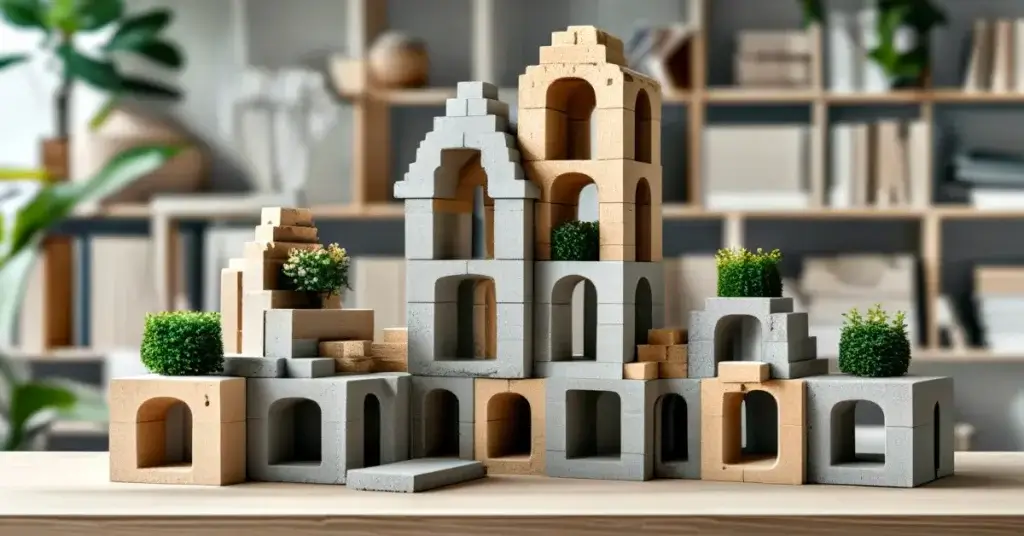
As children rotate, flip, and arrange blocks to create structures, they develop spatial awareness — the ability to understand how objects relate to one another in space. This skill is key for STEM subjects like math, science, and engineering. Recommended block sets for Spatial Reasoning:


This site contains affiliate links. We may earn a small commission at no extra cost to you, which helps us keep sharing fun and educational toys!
🎯 Multi-Skill Development
The All-in-One Building Blocks Benefits
Building blocks are more than just toys—they're powerful tools for multi-skill learning that engage the brain and body. As children (and even adults) stack, sort, and build, they're not just creating structures—they're developing a wide range of skills simultaneously.
Many high-quality block sets engage multiple skills simultaneously—for example, a magnetic building kit may encourage spatial reasoning, fine motor coordination, and problem-solving.
From a cognitive perspective, block play boosts problem-solving, critical thinking, and spatial reasoning. Children learn how pieces fit together, experiment with balance and symmetry, and think ahead to plan their creations—core skills that translate into success in STEM subjects and beyond.
At the same time, manipulating blocks enhances fine motor skills, hand-eye coordination, and dexterity. Grasping small pieces, aligning them precisely, and adjusting constructions contribute to physical development, which is especially important in early childhood.
What makes building blocks benefits so effective is their versatility. Whether it's classic wooden blocks, magnetic tiles, or LEGO bricks, each type offers opportunities for open-ended play that naturally fosters multi-skill development. With every session, children grow more confident in their cognitive abilities, creativity, and physical control, making building blocks a truly all-in-one educational tool.
Trusted Resources on Building Blocks Benefits for Child Development
🧠 Cognitive & Problem-Solving Skills
- “10 Developmental Skills Children Learn from Block Play” – NAEYC
- “How Block Play Boosts Creativity and Logical Thinking” – Teach Early Years
✋ Fine Motor & Physical Development
- “Top 10 Physical Benefits of Playing with Building Blocks” – Bigjigs Toys
- “Improving Dexterity and Motor Skills Through Block Play” – Parent App
🧭 Spatial Reasoning & STEM Foundations
- “How Building Blocks Help Children Develop STEM Skills” – First Things First
- “The Science Behind Spatial Reasoning and Construction Toys” – Parenting Science
🧠 Emotional & Social Development
- “Emotional and Social Growth Through Block Play” – Gowrie NSW
- “Teamwork and Communication Through Building Blocks” – Any Baby Can
🧱 General Building Blocks: Benefits
- “Why Block Play Is Essential for Early Childhood Education” – Kansas KITS
- “The Educational Power of Toy Blocks” – Wikipedia
🧩 Frequently Asked Questions: Building Blocks Benefits for Child Development
At what age should my child start playing with building blocks?
Most children can start with soft or large blocks as early as 6–12 months. Around Age 2+, they can use more complex interlocking or stacking blocks.
What skills do building blocks help develop?
Building blocks benefits include fine motor skills, spatial reasoning, problem-solving, creativity, early math concepts, and even language and social skills.
How do blocks improve fine motor skills?
Picking up, stacking, and connecting blocks strengthens hand-eye coordination, finger control, and dexterity for writing and self-care tasks.
Can block play help with problem-solving or critical thinking?
Yes. Building blocks benefits help Children plan, test ideas, and adjust when structures fall—this trial-and-error process builds logic, patience, and resilience.
Are building blocks good for developing STEM skills?
Absolutely. Blocks introduce children to basic engineering, balance, symmetry, spatial awareness, and early math concepts like counting and measurement.
How long should kids play with building blocks each day?
Even 20–30 minutes of focused block play daily can provide cognitive and motor benefits. More time is even better when it's unstructured and imaginative.
Are building blocks benefits educational tools or just fun?
Both! It's a form of “serious play” where fun activities lead to meaningful physical, emotional, and cognitive development.
